A roof leak might seem like a minor inconvenience, but it can quickly escalate into a major problem that threatens your home’s structural integrity and causes expensive water damage. The key to protecting your property is learning how to find roof leaks early, before they cause significant damage. In this comprehensive guide, we’ll walk you through proven methods to detect roof leaks, identify warning signs, and determine when to call a professional roofer. Whether you’re dealing with an active leak or trying to prevent future problems, this guide will equip you with the knowledge to protect your investment.
Look for Interior Water Stains and Ceiling Damage
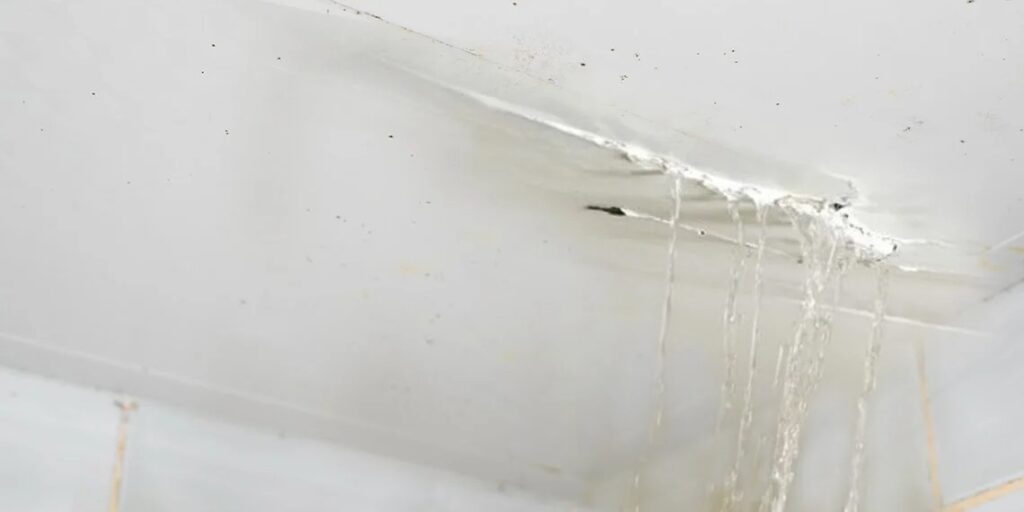
The most obvious sign of a roof leak is water stains on your ceiling or walls. These brown, yellowish, or dark patches indicate that water is penetrating your roof and traveling down through the attic insulation and drywall. When looking for roof leak detection signs, pay close attention to:
- Discolored ceiling patches that appear wet or damp
- Peeling paint or wallpaper in upper rooms
- Soft or spongy drywall that indicates moisture accumulation
- Visible mold or mildew growth on ceiling or walls
- Dark rings around light fixtures or ceiling edges
Important: Water damage doesn’t always appear directly below the leak. Water can travel along rafters or insulation, making the actual leak location several feet away from visible damage. This is why a thorough inspection is critical when you need to find hidden roof leaks.
Inspect Your Attic During Daylight
Your attic is your best vantage point for detecting active roof leaks. A proper attic inspection can reveal moisture problems, water stains on roof decking, and other issues invisible from below. Here’s what to look for when performing an attic inspection for leak detection:
- Wet or discolored roof decking and plywood
- Water stains on roof rafters or trusses
- Damp insulation with dark, wet patches
- Rusty nail heads (water runs down nails and creates rust marks)
- Mold or mildew growth on wood surfaces
Pro Tip: Visit your attic on a rainy day or shortly after rainfall when active leaks are most likely to be visible. Bring a flashlight and wear appropriate safety equipment like gloves and a dust mask.
Examine the Roof Exterior for Visible Damage
External roof inspection is essential for identifying problems before they develop into serious leaks. Look for roof damage signs that commonly lead to water infiltration:
Missing or Damaged Shingles
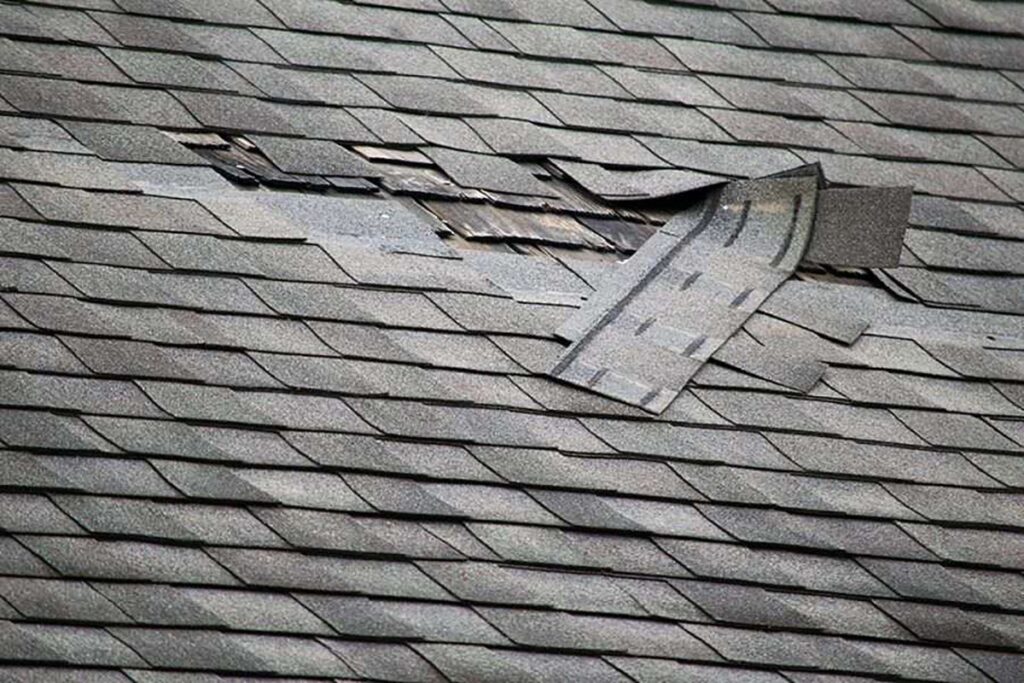
Missing shingles expose the roof decking and underlayment directly to rain and weather. Even one missing shingle can allow water to penetrate your roof. Look for gaps in your shingle pattern, areas with exposed decking, or granule loss that indicates aging shingles.
Cracked or Curled Shingles
Shingles that curl, crack, or show signs of deterioration no longer provide adequate water protection. These problems are particularly common in older roofs and should be addressed immediately.
Damaged Flashing
Flashing is metal strips installed around chimneys, vents, skylights, and valleys to direct water away from vulnerable areas. Rusted, bent, or missing flashing is a common source of roof leaks and requires immediate repair.
Check Gutters and Drainage Systems
Clogged gutters and downspouts prevent proper water drainage and can trap water on your roof, leading to leaks and water damage. Regular gutter maintenance is essential for roof leak prevention. Inspect your gutters for:
- Accumulated leaves, debris, and dirt
- Sagging gutters that don’t slope properly
- Rust spots or cracks in gutter material
- Downspouts that drain water too close to your foundation
Use the Water Test Method
If you suspect a leak but can’t pinpoint the source, a controlled water test can help identify the exact location. This how to detect roof leaks method works by simulating rainfall:
- Have someone stay in the attic with a flashlight while you spray water on the roof with a hose
- Start at the lowest point and work upward, spraying in horizontal sections
- Watch for water entering the attic and mark the entry point
- Repeat the process in different areas until you’ve identified all leak sources
Inspect Roof Penetrations
Any area where something penetrates your roof’s surface is a potential leak source. These vulnerable areas include chimneys, plumbing vents, HVAC penetrations, skylights, and exhaust vents. Check that:
- Flashing is properly sealed with roofing cement or caulk
- There are no gaps between the penetration and the roof surface
- Sealant hasn’t dried out or deteriorated
Look for Mold and Moisture Damage
One of the most important signs indicating a need to find roof leaks is the presence of mold or mildew. These fungi thrive in damp environments and indicate excess moisture that could be from a roof leak. During your inspection, watch for:
- Black, green, or brown fuzzy spots on wood or insulation
- Musty odors in the attic
- Warped or deteriorating wood surfaces
Check Roof Valleys and Seams
Roof valleys where two roof sections meet; are particularly prone to water accumulation and leaks. These areas channel large volumes of water and require careful inspection. Similarly, examine any roof seams where materials meet. Ensure that:
- Valleys have proper flashing installed
- Sealant or caulk is intact and not deteriorated
- No debris is blocking water flow through the valley
Identify Signs After Storms
Heavy storms, high winds, and hail can cause immediate roof damage that leads to leaks. After severe weather, perform a thorough inspection to identify storm damage that requires repair. Look for:
- Freshly missing shingles or granules
- Hail dents in shingles or metal roofing
- Branches or debris embedded in the roof
- Bent or damaged flashing
Professional Inspection and Thermal Imaging
When DIY methods don’t reveal a leak source, or if you’re uncomfortable inspecting your roof, professional roofers use advanced detection techniques including thermal imaging cameras that can identify moisture detection invisible to the naked eye. Professional inspections are highly recommended if:
- The leak source is difficult to locate
- Your roof has a steep pitch or complex design
- You have safety concerns about climbing a ladder
- Multiple leaks exist or the problem is recurring
Frequently Asked Questions About Roof Leak Detection
What are the most common causes of roof leaks?
The most common causes include damaged or missing shingles, deteriorated flashing around chimneys and vents, clogged gutters, cracked sealant, poor installation, and age-related wear. Roof leaks in NYC are particularly common due to harsh winters, heavy snow loads, and temperature fluctuations.
How often should I inspect my roof for leaks?
You should inspect your roof at least twice per year—in spring and fall. Additionally, inspect after heavy storms, in winter after significant snow, and immediately if you notice water stains or other signs of problems. Regular maintenance helps prevent leaks before they develop.
Can I repair a roof leak myself?
Minor leaks in accessible areas with clear sources might be temporarily repaired by homeowners, but professional repair is strongly recommended. Improper repairs can create larger problems, affect your warranty, and compromise safety. Professional roofers have the expertise, tools, and materials to fix leaks correctly.
How much does roof leak repair cost?
Repair costs vary widely depending on the leak source, damage extent, and roof type. Small repairs might cost $200-$500, while extensive damage repairs could exceed $2,000. Replacement is necessary when damage is widespread. Professional inspection provides accurate cost estimates.
What should I do if I find a leak?
First, contain any water damage by placing buckets or tarps to prevent interior damage. Photograph the leak and affected areas for insurance purposes. Contact a licensed roofer immediately for professional assessment and repair. Don’t delay—leaks worsen quickly and cause exponential damage.
How long does a typical roof last?
Asphalt shingle roofs typically last 20-25 years, while metal roofs can last 40-70 years. In NYC, severe weather can shorten lifespan. Regular maintenance and prompt repair of leaks help maximize roof longevity.
Professional Roof Leak Detection and Repair in NYC
Knowing how to find roof leaks is valuable, but professional expertise ensures quick, accurate detection and lasting repairs. Roofing Service NYC specializes in comprehensive roof leak inspection, detection, and repair throughout Manhattan, Brooklyn, Queens, the Bronx, and Staten Island.
With over 25 years of experience serving NYC residents and businesses, our licensed and insured roofers provide:
- Complete roof inspections identifying all leak sources
- Thermal imaging and advanced detection technology
- Professional repair using high-quality materials
- 24/7 emergency roof repair services
- Comprehensive warranty on all repairs
- Transparent pricing with no hidden costs
- Same-day emergency response in many cases
We understand how stressful roof leaks can be for homeowners and business owners. Thats why we provide fast, reliable service focused on stopping leaks quickly and preventing future problems. Our expert roofers have successfully completed over 1,000 roof leak repairs, earning a 99.9% customer satisfaction rate.
Dont let roof leaks damage your property and peace of mind. Contact Roofing Service NYC today for a free inspection and estimate. Whether you have already found a leak or want to prevent future problems, our experienced team is ready to help. Call 212-251-1681 or contact us to schedule your roof inspection now. We serve all five NYC boroughs with 24/7 emergency service availability. Let our expert roofers find and fix your roof leak before it becomes a major problem.